Giriş
Taking care of your oral health is essential for a confident smile and overall well-being. Many people overlook the value of regular dental check-ups, but these visits play a crucial role in preventing problems before they start. Whether you experience tooth pain, bleeding gums, or simply want to maintain healthy teeth, understanding the importance of regular dental check-ups can make a big difference.
In this article, we will explore the practical benefits of regular dental check-ups and how they help detect issues early, saving time and money. You will learn about common dental problems, the role of professional cleaning, and tips to keep your oral health in top shape between visits. By following simple advice and committing to routine exams, you can avoid discomfort and costly treatments.
Our goal is to provide clear, easy-to-follow guidance so you feel empowered to take control of your dental health. Embracing regular dental check-ups is a smart investment in your long-term oral care. Read on to discover how small, consistent steps can lead to a healthier, happier smile every day.
What Are Regular Dental Check-Ups?
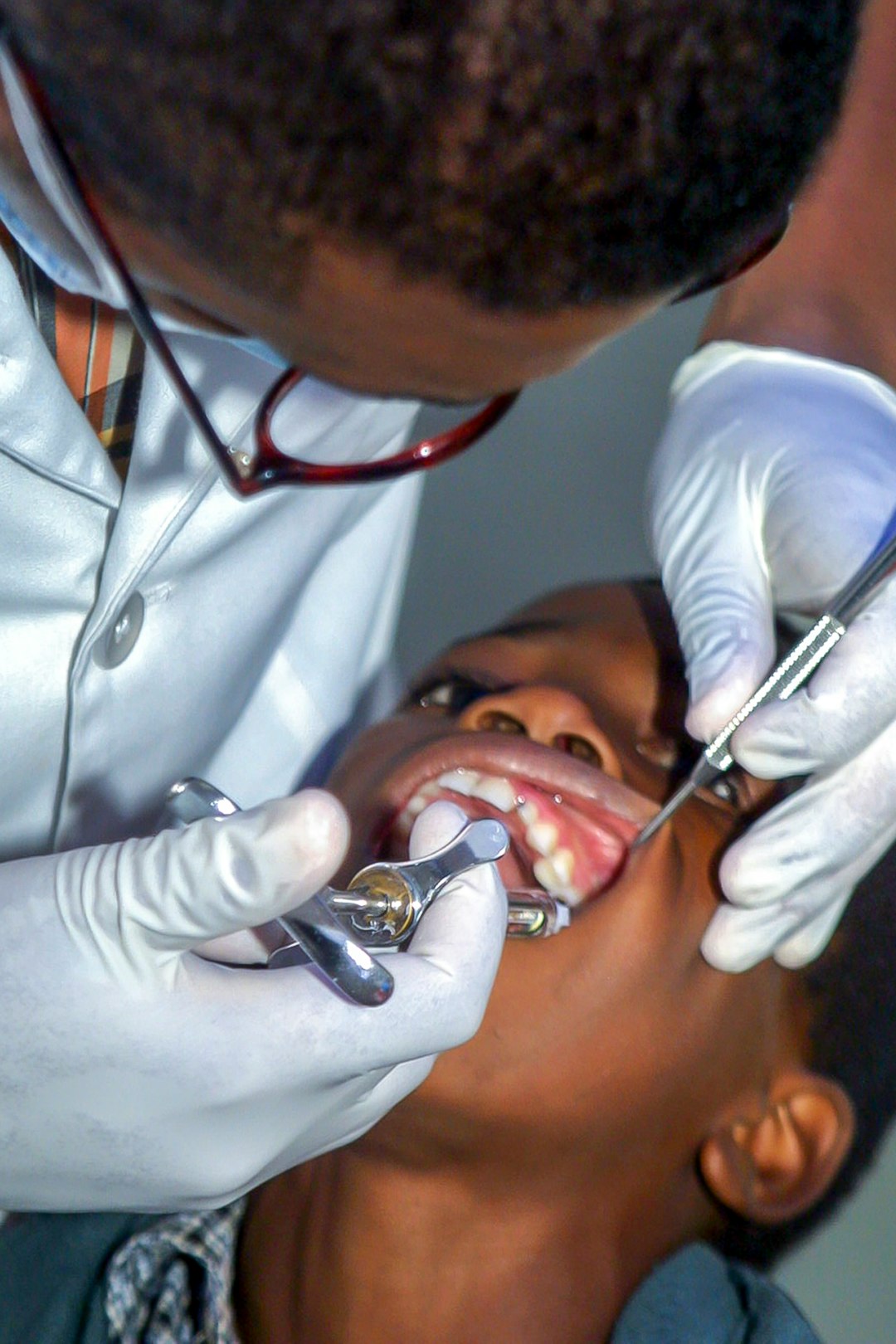
Regular dental check-ups are visits to a dentist that help monitor and maintain oral health. During these appointments, the dentist examines your teeth, gums, and mouth tissues to identify any issues early. These visits usually include professional cleaning to remove plaque and tartar that regular brushing and flossing miss.
A thorough check can spot cavities, gum problems, or other dental concerns before they worsen. Dentists may also take X-rays to see hidden areas that cannot be checked with the naked eye. These images help detect decay, bone loss, or other abnormalities.
Besides treatment, regular dental check-ups provide an opportunity to ask questions about daily oral care. The dentist can offer personalized advice and tips based on your individual needs. Many people feel fine and skip dental visits, but problems can develop silently without pain. Regular check-ups help catch these silent issues early.
Scheduling appointments every six months is common, but some may need more frequent visits depending on their oral health. Sticking to this routine supports keeping teeth strong and gums healthy over time. Regular dental check-ups also contribute to overall well-being since oral health affects other body parts.
These visits are a chance to maintain a bright smile and prevent costly treatments later. In summary, regular dental check-ups involve professional cleaning, early detection of problems, and guidance for better home care. They are a practical step in protecting long-term oral health.
Common Dental Problems Prevented by Regular Check-Ups

Regular dental check-ups help prevent common problems that might otherwise go unnoticed. Cavities often develop without pain initially, making early detection during visits crucial. If untreated, cavities can cause toothaches and infections.
Gum disease is another issue caught early by dentists. It starts with redness and swelling, which can progress to bleeding gums and tooth loss if ignored. Regular exams can identify these signs before serious damage occurs.
Additionally, dental cleanings remove plaque and tartar build-up that brushing alone cannot eliminate. This reduces the risk of cavities and long-term oral health issues. Check-ups also spot oral cancer early, significantly improving treatment outcomes.
Many people are unaware of harmful habits like teeth grinding or jaw clenching, which dentists can detect and advise on during visits. Early intervention in such cases prevents further damage.
Moreover, regular dental check-ups allow dentists to monitor wear and tear on teeth caused by diet or lifestyle. This helps in planning treatments that maintain function and appearance over time.
By attending regular dental check-ups, patients maintain healthier teeth and gums, minimizing the need for complex procedures later. Preventive care during these visits supports overall long-term oral health by catching problems early and promoting good habits.
These benefits demonstrate how routine dental exams play a key role in avoiding common oral health issues.
How Regular Dental Check-Ups Help Maintain Oral Health?

Regular dental check-ups play a key role in keeping your mouth healthy over time. During these visits, dentists spot early signs of problems like cavities, gum disease, or oral infections that might not cause pain yet. Catching these issues early means treatment can be simpler and less invasive.
Besides identifying problems, a professional cleaning removes plaque and tartar buildup that daily brushing often misses. This cleaning helps prevent tooth decay and gum inflammation, supporting overall oral hygiene.
Dentists also check for changes in your mouth that could signal more serious conditions, including oral cancer. This screening is especially valuable because early detection increases the chances of successful treatment.
Regular visits give you a chance to ask questions and get tailored advice about your dental care routine, diet, or habits like teeth grinding. By maintaining a steady schedule of regular dental check-ups, you reduce the risk of developing severe dental problems that could affect your daily life, including eating and speaking.
These appointments support not only your teeth but also your gums and jawbone health. In summary, regular dental check-ups provide ongoing monitoring, preventive care, and early treatment, all essential for long-term oral health.
Prioritizing these visits helps keep your smile healthy, comfortable, and pain-free for years to come.
The Connection Between Oral Health and Overall Health
Maintaining good oral health affects more than just your smile. Research shows a clear link between oral hygiene and overall health. Problems like gum disease can contribute to heart disease, diabetes, and even respiratory issues.
Bacteria from inflamed gums can enter the bloodstream, increasing the risk of inflammation in other parts of the body. This connection highlights why regular dental check-ups matter beyond teeth cleaning.
During these visits, dentists detect early signs of oral infections that might otherwise go unnoticed. Addressing these issues promptly can reduce the chance of complications affecting the heart and other organs.
Furthermore, conditions such as diabetes can worsen gum health, creating a two-way relationship between oral and general health. By keeping your mouth healthy, you support your immune system and reduce inflammation.
This balance is crucial for managing chronic diseases and enhancing well-being. Regular dental check-ups allow for personalized advice on maintaining hygiene habits that protect both mouth and body.
Understanding the link between oral health and overall health empowers you to make daily choices that benefit your entire body. Paying attention to your teeth and gums is a proactive step toward preventing serious health problems.
Therefore, regular dental check-ups play a vital role, serving as a bridge between maintaining oral care and safeguarding overall health. The mouth is a gateway to the body, and nurturing it helps keep the rest of you healthier.
Signs You Should Visit the Dentist Immediately
Some symptoms require urgent dental care to avoid complications and maintain long-term oral health. Watch for these signs:
- Pain lasting more than a day, which can signal infections or serious issues.
- Swelling in gums or face, often indicating abscesses or infections.
- Bleeding gums during brushing or eating, not caused by vigorous cleaning, possibly signaling gum disease.
- Persistent bad breath or a bad taste despite good hygiene.
- Loose or shifting teeth, which may mean bone loss or severe gum problems.
- Sores or lumps that don’t heal within two weeks, needing evaluation to rule out serious conditions.
- Increased sensitivity to hot, cold, or sweet foods.
- Difficulty chewing or pain when biting, which might suggest cavities or cracked teeth.
- Changes in your bite or jaw pain, possibly related to temporomandibular joint disorders.
- Consistent dry mouth, which increases risk of decay and infections.
Recognizing these signs early helps prevent complications and maintains your long-term oral health. Acting promptly supports better outcomes and keeps your smile healthy.
Don’t wait for routine appointments if you notice any of these issues; immediate consultation can save your teeth and comfort.
What Happens During a Dental Check-Up?
During a dental check-up, the dentist first examines your teeth, gums, and mouth for any signs of problems like cavities, gum disease, or oral cancer. This visual inspection helps spot issues early, even before you notice symptoms.
Next, the dentist may use special tools to gently probe your teeth and gums, checking for soft spots or pockets that indicate decay or infection.
X-rays might be taken to see areas not visible to the naked eye, such as between teeth or below the gumline.
Cleaning is also a crucial part of the visit. The dental hygienist removes plaque and tartar buildup, which brushing and flossing at home can’t always eliminate. This cleaning helps prevent long-term oral health issues.
After cleaning, polishing smoothens your teeth to reduce future plaque buildup.
The dentist or hygienist might also offer advice on brushing techniques, flossing, diet, and other habits that support long-term oral health.
Finally, any concerns or questions you have can be addressed during the appointment.
Regular visits allow the dentist to monitor changes over time, adjusting care as needed. This step-by-step process during a dental check-up supports maintaining your smile and overall mouth health for years ahead.
How Often Should You Have Dental Check-Ups?
Regular dental check-ups help keep your mouth healthy by spotting issues early. Most people should visit the dentist every six months, but this can vary based on individual needs.
Some may need more frequent visits if they have ongoing dental problems or risk factors like gum disease or a history of cavities. Others with excellent oral health might have longer gaps between appointments.
During these visits, the dentist cleans your teeth, removes plaque, and checks for signs of decay or other problems. This routine helps prevent small issues from becoming bigger, more costly treatments later.
If you experience pain, bleeding gums, or other symptoms, you should see a dentist sooner.
Regular check-ups also give you a chance to ask questions about your oral care routine and get personalized advice.
Children, adults, and seniors all benefit from regular dental visits, but age and health conditions can influence how often you should go.
Staying consistent with your appointments supports long-term oral health and can improve your overall well-being.
Talk to your dentist about a schedule that fits your needs.
Remember, regular dental check-ups are the foundation of maintaining healthy teeth and gums throughout your life. Prioritizing these visits helps you avoid unexpected dental problems and keeps your smile bright.
Tips for Preparing for Your Dental Appointment
Preparing for your dental appointment can make the visit smoother and more effective. Here are some practical tips:
- Make a list of any questions or concerns about your oral health to discuss with your dentist.
- Bring a current list of medications, as some can affect dental treatment or oral condition.
- Arrive a few minutes early to complete any paperwork and reduce stress.
- Avoid eating heavy meals right before your appointment to keep your mouth fresh.
- If you wear dentures or dental appliances, bring them for the dentist to check their fit and condition.
- Review your dental history to remind yourself of past treatments or recurring issues.
- Stay relaxed and communicate openly, especially about any pain or sensitivity.
- Maintain good oral hygiene at home before your visit, including brushing and flossing.
By taking these steps, you contribute to a more productive dental appointment and support your long-term oral health. Preparing in advance ensures you get the most from your time with the dental professional.
Common Myths About Dental Check-Ups Debunked
There are many misconceptions about regular dental check-ups that may prevent people from attending:
| Myth | Fact |
|---|---|
| If my teeth feel fine, I don’t need a dental check-up. | Many oral diseases develop silently without pain. Early detection during check-ups prevents serious issues. |
| Dental visits are only necessary when there is a problem. | Regular exams prevent problems by catching them early, reducing treatment complexity. |
| Dental visits are painful or uncomfortable. | Modern technology and gentle techniques make visits easier and less stressful. |
| Brushing and flossing alone are enough. | Professional cleaning removes plaque and tartar unreachable by home care. |
| Dental visits are too expensive or time-consuming. | Many clinics offer affordable plans and flexible scheduling to fit your lifestyle. |
| Baby teeth don’t need dental care since they fall out anyway. | Healthy baby teeth are important for speech, chewing, and guiding permanent teeth. |
Understanding these myths helps you make better choices for long-term oral health by trusting professional advice and scheduling routine visits. Regular dental check-ups provide peace of mind and support a healthy smile throughout life.
The Cost Benefits of Regular Dental Visits
Regular dental visits can save money over time by preventing costly treatments. Small issues like cavities or gum inflammation are easier and cheaper to fix when caught early.
Skipping check-ups may lead to serious problems requiring extensive work such as root canals or tooth extractions, which are more expensive and time-consuming.
During a routine visit, dentists clean teeth, remove plaque, and check for early signs of disease, reducing the risk of future damage. This proactive approach lowers the chance of emergency visits that often come with higher fees.
Furthermore, maintaining oral health through regular dental visits supports overall well-being, potentially avoiding related medical expenses linked to poor oral hygiene.
Insurance plans often cover preventive care fully or partially, making regular dental visits more affordable than treatments for advanced conditions.
By investing a small amount in consistent check-ups, patients can avoid significant costs later. This financial benefit adds to the health advantages, encouraging a habit that pays off in the long run.
Thus, regular dental visits contribute both to better oral health and to managing expenses smartly, helping individuals maintain their smile without unexpected financial burdens.
Oral Hygiene Tips to Complement Dental Check-Ups
Maintaining good oral hygiene at home is key to supporting your regular dental check-ups and ensuring lasting oral health. Follow these steps daily:
- Brush your teeth twice daily to remove plaque before it hardens into tartar. Use a soft-bristled toothbrush and fluoride toothpaste to protect enamel and prevent cavities.
- Gently brush your tongue to remove bacteria that cause bad breath.
- Floss once a day to remove food particles and plaque between teeth where a toothbrush can’t reach. This reduces gum disease and tooth decay risk.
- Use mouthwash as a helpful addition, but not a replacement for brushing or flossing. Choose an antimicrobial or fluoride rinse based on your dentist’s advice.
- Eat a balanced diet, limiting sugary snacks and drinks to reduce acid production that damages teeth.
- Drink plenty of water to wash away food debris and maintain saliva flow, which naturally protects your mouth.
By combining these daily habits with regular dental check-ups, you create a strong defense against oral problems and keep your smile healthy for years to come.
Choosing the Right Dentist for Your Regular Check-Ups
Choosing the right dentist for your regular check-ups can impact your comfort and oral care quality. Consider these factors:
- Look for a dentist with a friendly approach and clear communication skills to feel relaxed and understand your oral health better.
- Check their experience and qualifications, especially if you have specific dental needs.
- Choose a dentist who stays updated with the latest techniques for more effective treatments.
- Consider location and office hours—near your home or workplace with flexible hours to fit your schedule.
- Read online reviews to gain insight into patient experiences; positive feedback often signals good care.
- Visit the clinic beforehand to check cleanliness and organization, reflecting care standards.
- Ask about pain management and preventive care approaches.
A dentist focused on prevention helps you avoid costly problems later. Ultimately, picking a dentist you trust encourages you to maintain regular check-ups.
This habit supports your long-term oral health and keeps your smile bright. Taking these steps makes dental visits less stressful and more effective for your well-being.
Sıkça Sorulan Sorular
How often should I schedule regular dental check-ups to maintain long-term oral health?
Regular dental check-ups are essential for maintaining long-term oral health. It is recommended to visit your dentist every six months. During these visits, your dentist can spot issues like cavities or gum problems early, preventing more serious conditions. For example, if you notice sensitivity or bleeding gums, don’t wait—schedule your check-up promptly to keep your smile healthy.
Why are regular dental check-ups important even if I don’t have any pain or visible problems?
Regular dental check-ups help detect hidden issues before they cause pain or visible damage. Many oral diseases, like gum disease or early tooth decay, develop silently. Dentists use special tools to find these problems early, saving you from costly treatments later. Think of it as a preventive visit that keeps your mouth healthy, just like regular car maintenance prevents breakdowns.
What happens during a regular dental check-up and how long does it usually take?
A typical dental check-up lasts about 30 to 45 minutes. The dentist will examine your teeth, gums, and mouth for signs of decay, gum disease, or other issues. They may also take X-rays to see hidden areas. After the exam, a professional cleaning removes plaque and tartar, helping maintain long-term oral health. This routine ensures your teeth stay strong and problems are caught early.
Daha Fazla Kaynak İçin:
Daha fazla bilgi edinmek için aşağıdaki bağlantıları ziyaret edebilirsiniz:
This comprehensive guide highlights the importance of regular dental check-ups for maintaining your oral health and overall well-being. By following these practical steps and advice, you can enjoy a healthier smile and prevent costly dental problems in the future.