
Contents
Introduction
Considering plastic surgery is becoming more common, understanding the basics of safe plastic surgery procedures is crucial for everyone. Many patients and their families face questions and concerns about what makes a surgery safe and successful. This article will help you navigate these concerns with clear and practical information.
Knowing the essentials of safe plastic surgery procedures can protect your health and improve your experience. You will learn how to recognize qualified surgeons, understand the importance of proper hygiene, and what to expect before, during, and after surgery. These are key points that help reduce risks and enhance recovery.
In daily life, being informed about safe plastic surgery procedures helps you make confident decisions. You will gain practical tips on choosing the right clinic and preparing for surgery. This knowledge empowers you to ask the right questions and feel more secure about your choices.
This article aims to guide you step-by-step through the most important aspects of safe plastic surgery procedures. By reading it, you will be better equipped to protect yourself and your loved ones, ensuring a safer and smoother journey toward your desired results.
What Is Safe Plastic Surgery?
Safe plastic surgery means choosing procedures that protect your health while improving your appearance. It involves careful planning, performed by qualified surgeons in clean, well-equipped facilities. Before any operation, doctors assess your medical history and discuss possible risks to ensure the best outcome.
A safe plastic surgery procedure minimizes complications like infections, scarring, or anesthesia problems. Patients should follow all pre- and post-operation instructions provided by their surgeon to support healing and avoid issues. Communication with your doctor is key to understanding what to expect and recognizing warning signs early.
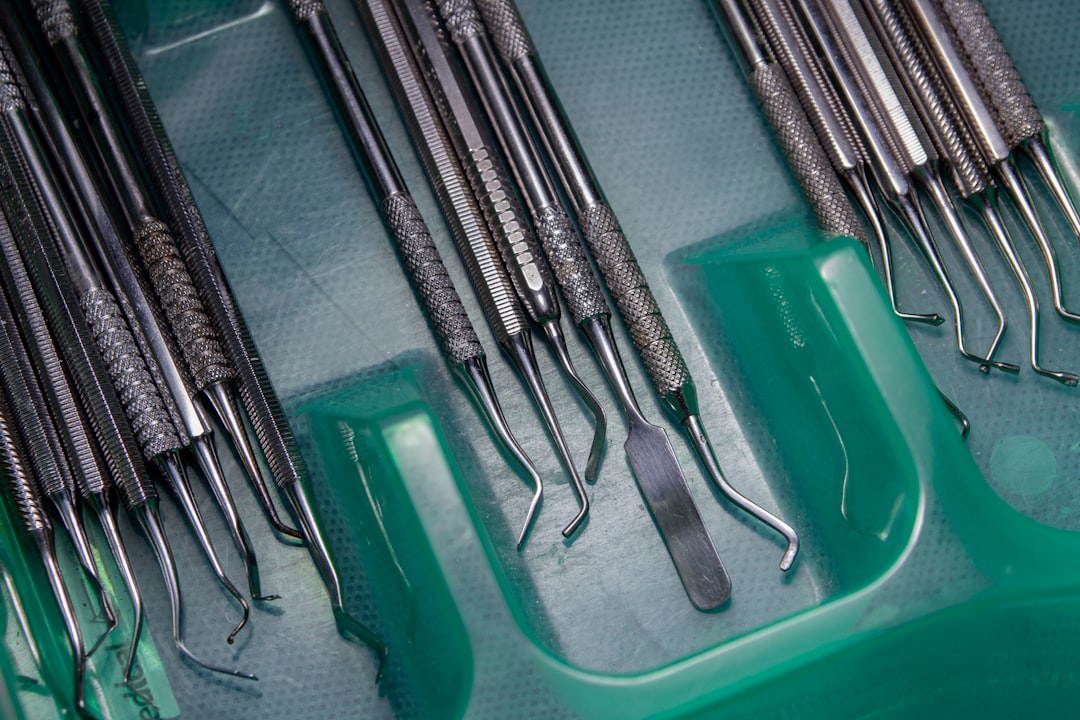
Choosing a board-certified surgeon with experience in your specific procedure increases the chance of a safe plastic surgery experience. Surgeons must use sterile tools and maintain strict hygiene standards to reduce infection risk. Recovery time varies depending on the procedure, but rest and avoiding strenuous activities help your body heal properly.
Remember, safe plastic surgery is not just about the skill of the surgeon but also about patient cooperation and realistic expectations. If you notice unusual pain, swelling, or fever after surgery, contact your healthcare provider immediately.
In summary, safe plastic surgery combines expert care, patient preparation, and ongoing attention to health before, during, and after the operation. This approach supports not only physical improvement but also overall well-being.
Common Plastic Surgery Procedures and Their Safety Profiles
Plastic surgery includes a variety of procedures, each with its own safety profile. Common options like rhinoplasty, breast augmentation, and liposuction are widely performed. Safe plastic surgery procedures depend on factors such as the surgeon’s skill, facility standards, and patient health.
Rhinoplasty reshapes the nose and generally has a low risk when done by experienced surgeons. Breast augmentation involves implants and requires careful monitoring to avoid complications like infection or implant rupture. Liposuction removes fat deposits and is typically safe if the amount of fat removed is within recommended limits.
Non-invasive options, such as Botox or fillers, carry fewer risks but still require professional administration. Recovery times and risks vary; for example, invasive surgeries may involve longer healing and more side effects.
Choosing a board-certified surgeon and discussing medical history helps improve safety. Patients should follow all pre- and post-operative instructions closely to reduce risks. Understanding each procedure’s safety profile helps set realistic expectations and supports informed decisions.
Being aware of potential complications, such as bleeding or scarring, allows patients to recognize warning signs early. Overall, safe plastic surgery procedures blend medical expertise with patient cooperation to achieve desired results while minimizing harm.
Procedure Safety Comparison Table
| Procedure | General Risk Level | Key Safety Consideration |
|---|---|---|
| Rhinoplasty | Low to Moderate | Surgeon’s experience with nasal anatomy |
| Breast Augmentation | Moderate | Implant monitoring and infection control |
| Liposuction | Low (if volume is controlled) | Total fat removal volume |
| Botox/Fillers | Very Low | Professional administration technique |
How to Choose a Qualified Plastic Surgeon?

Choosing a qualified plastic surgeon requires careful research and attention. Start by verifying the surgeon’s board certification. This shows they have met specific training and ethical standards.
Ask about their experience with the exact procedure you want. Surgeons who perform the procedure regularly tend to have better outcomes. Checking before-and-after photos of previous patients can help you understand their skill level.
Schedule a consultation to discuss your goals and concerns. During this meeting, observe how the surgeon communicates and whether they listen carefully. A qualified surgeon will provide clear explanations and realistic expectations.
Also, inquire about the facility where the surgery will take place. Accredited surgical centers follow strict safety protocols. Patient reviews and testimonials offer additional insight but focus on detailed feedback rather than ratings alone.
Avoid surgeons who promise guaranteed results or push for quick decisions. Trust and comfort with your surgeon build a positive foundation for your procedure. Researching thoroughly and trusting your instincts support safer choices.
Remember, a qualified plastic surgeon prioritizes your safety, offers personalized care, and maintains transparency throughout the process. Taking these steps helps you find a surgeon who meets professional standards and suits your needs effectively.
This approach minimizes risks and enhances satisfaction with your plastic surgery journey.
Preoperative Preparation for Safe Plastic Surgery
Preparing for plastic surgery begins with clear communication between you and your surgeon. Discuss your medical history openly, including any medications or supplements you take. This helps your surgeon plan a safe plastic surgery procedure tailored to your needs.
Follow all instructions about fasting or medication adjustments before the operation. Avoid smoking and alcohol as they can affect healing and increase risks during a safe plastic surgery procedure.
Arrange for someone to drive you home and stay with you after surgery to support your recovery. Prepare your home with easy-to-reach essentials to minimize movement post-operation. Rest well before the day of surgery since fatigue can impact your body’s response.
Hydration is also crucial, but follow your doctor’s advice on fluid intake before the procedure. Understanding these steps boosts confidence and contributes to a smoother experience.
Proper preoperative preparation helps reduce complications and supports a positive outcome. Always ask questions if any instruction is unclear to ensure you fully understand your role in maintaining safe plastic surgery procedures.
Being proactive before surgery plays a key role in how well you recover afterward. Your surgeon’s guidance combined with your preparation forms the foundation of a successful surgery journey.
Taking these practical steps makes the process less stressful and promotes healing. Following your surgeon’s advice closely contributes to the overall safety and effectiveness of your safe plastic surgery procedure.
Understanding the Risks and Complications of Plastic Surgery
Plastic surgery carries certain risks and possible complications that patients should understand before proceeding. Common issues include infection, bleeding, and scarring. These problems can occur even when surgery is performed by experienced professionals.
Anesthesia reactions are another concern; some individuals may experience nausea, dizziness, or allergic responses during or after the procedure. Blood clots, although rare, can pose serious health threats if they travel to vital organs.
Swelling and bruising are typical side effects but usually subside within a few weeks. Nerve damage may cause temporary or permanent numbness, tingling, or weakness in the treated area.
Unsatisfactory results or asymmetry can happen, leading to the need for revision surgeries. It is also possible to develop complications related to implant rejection or tissue necrosis.
Smoking, poor overall health, and certain medications can increase the likelihood of complications. Patients must communicate openly with their surgeon about their medical history and follow pre- and post-operative instructions carefully to minimize risks.
Understanding these risks allows individuals to make informed decisions and prepare realistically for recovery. Being aware of potential complications encourages choosing qualified surgeons and realistic expectations.
While plastic surgery offers many benefits, knowing the risks helps patients weigh advantages against possible downsides. This knowledge supports safer outcomes and better overall patient satisfaction with their surgical experience.
What to Expect During the Plastic Surgery Procedure?
During a plastic surgery procedure, you will first meet with your surgical team to review the plan and answer any last-minute questions. Before the operation begins, the area will be cleaned and marked to guide the surgeon.
Anesthesia will be administered, either local or general, depending on the procedure. Once you are comfortable and numb or asleep, the surgeon will begin the operation following the agreed plan.
The length of the procedure varies, but the medical staff will monitor your vital signs closely throughout to ensure your safety. After the surgery, you will be moved to a recovery area where nurses will watch over you as anesthesia wears off.
You might feel groggy or experience mild discomfort; this is normal. Pain relief and care instructions will be provided before discharge.
It’s common to have swelling or bruising around the treated area, which usually improves in days or weeks.
During the procedure, sterile instruments and a clean environment reduce infection risks. Communication with your surgical team is encouraged if you feel anxious or have questions.
Understanding what happens during the plastic surgery procedure helps reduce stress and prepares you for a smoother experience. Every step, from preparation to recovery, focuses on your comfort and safety.
Expect your medical team to guide you clearly through each stage. This approach aims to make the entire process as predictable and comfortable as possible.
Knowing what to expect supports you in feeling more confident about your journey toward your desired results.
Postoperative Care: Essential Tips for a Safe Recovery

Recovering smoothly after plastic surgery requires attention to simple daily habits. First, follow your surgeon’s instructions carefully. This helps avoid complications and supports healing.
Keep the surgical area clean and dry to prevent infection. Use any prescribed ointments or medications as directed. Rest is crucial; give your body time to heal by avoiding strenuous activities for the recommended period.
Sleeping with your head elevated can reduce swelling, which often occurs after surgery. Stay hydrated and eat nutritious foods to support tissue repair and energy levels.
Avoid smoking and alcohol, as they can slow down healing and increase risks. Wear any compression garments provided; they help control swelling and support the new contours of your body.
Attend all follow-up appointments so your doctor can monitor your progress and address concerns early. If you notice unusual pain, redness, or fever, contact your healthcare provider promptly.
Managing pain with recommended medications helps maintain comfort and mobility. Remember, each person heals differently, so listen to your body and communicate openly with your care team.
By following these steps, you enhance your chances of a safe recovery and better results from your plastic surgery.
Proper postoperative care is a key part of the overall success of your procedure and long-term satisfaction.
Signs of Complications: When to Contact Your Surgeon?
After plastic surgery, recognizing early signs of complications can help protect your health. Watch for unusual pain that worsens instead of improving over time.
Sudden swelling or redness around the surgical site may indicate infection or other issues. If you notice pus or a foul smell from the incision, contact your surgeon immediately.
Fever higher than 100.4°F (38°C) can be a sign your body is fighting an infection related to the procedure. Difficulty breathing, chest pain, or severe headache require urgent medical attention as they might signal serious complications.
Changes in skin color, such as blue or pale tones near the surgery area, also need prompt evaluation. Bleeding that soaks through bandages or continues longer than expected is another red flag.
Numbness or weakness in limbs that wasn’t present before surgery should be reported without delay.
Keep in mind that some swelling and discomfort are normal, but persistent or worsening symptoms are signs of complications.
Don’t hesitate to contact your surgeon if you feel unsure or notice anything unusual. Early communication helps manage risks and supports a smoother recovery.
Remember, knowing when to reach out can make a significant difference after your plastic surgery procedure. Always follow your surgeon’s instructions and trust your instincts if something feels wrong.
Monitoring your condition carefully ensures timely intervention when signs of complications appear.
Psychological and Emotional Safety in Plastic Surgery
Undergoing plastic surgery involves more than physical preparation. Psychological and emotional safety plays a key role in how patients experience their journey.
Before surgery, understanding your motivations helps ensure realistic expectations. Feeling pressured or hoping for drastic life changes can lead to dissatisfaction.
It is common to experience anxiety, so discussing these feelings with your surgeon or a counselor can provide support. Open communication about fears and hopes strengthens trust and helps set achievable goals.
Emotional readiness means accepting possible outcomes, including complications or the need for revisions.
Post-surgery, mood swings or temporary sadness may occur due to physical healing and body image adjustments. Recognizing these emotions is part of psychological and emotional safety.
Surrounding yourself with supportive friends and family can ease this period. Avoid making major life decisions immediately after surgery, as your feelings may fluctuate.
Taking time to heal emotionally is as crucial as physical recovery. Choosing a surgeon who listens and respects your feelings contributes to a safer experience.
Psychological and emotional safety ensures that your mental well-being is protected alongside your physical health, leading to better overall satisfaction.
Prioritizing this aspect helps balance expectations and promotes a smoother recovery process, making your plastic surgery journey more positive and manageable.
Plastic Surgery Safety: Comparing Hospital and Clinic Settings
Choosing between a hospital and a clinic for plastic surgery affects safety and outcomes.
Hospitals offer comprehensive emergency support and access to specialists, which can be crucial if unexpected complications arise during surgery. They maintain strict hygiene protocols and have advanced monitoring equipment, reducing infection risks.
Clinics, on the other hand, often focus on elective procedures and may provide a more personalized experience. However, not all clinics have the same level of emergency preparedness or access to advanced resources.
It’s important to verify that the clinic meets regulatory standards and that the surgeon is board-certified.
While clinics can be convenient and cost-effective, hospitals generally have more robust systems in place for managing complex cases or emergencies.
Patients should consider the procedure’s complexity when deciding between a hospital and a clinic.
Simple, low-risk procedures might be safely done in a well-equipped clinic, but more invasive surgeries benefit from hospital settings due to the availability of specialized staff and equipment.
Both environments require proper preoperative evaluations and adherence to safety protocols.
Being informed about the differences helps patients choose a setting that aligns with their health needs and safety priorities.
Ultimately, safety in plastic surgery depends on the facility’s standards, the surgeon’s expertise, and emergency readiness, whether in a hospital or clinic environment.
Insurance and Legal Considerations in Plastic Surgery
When considering plastic surgery, understanding insurance and legal aspects is crucial.
Most cosmetic procedures are not covered by insurance, as they are elective. However, some reconstructive surgeries might qualify for coverage. It is important to verify with your provider before scheduling any procedure. Knowing what your insurance covers helps avoid unexpected costs.
Legal considerations include ensuring your surgeon is board-certified and licensed. This confirms they meet professional standards. You should also sign informed consent forms that explain risks and benefits. These forms protect both you and the surgeon legally.
If complications occur, knowing your rights and available legal options is helpful.
Discuss payment plans and cancellation policies ahead of time. Some clinics require deposits or have strict refund rules. Keep all documents related to your surgery, including insurance communications and contracts. This documentation may be necessary if disputes arise.
In summary, reviewing insurance details and legal requirements minimizes surprises. It also supports informed decisions and safer outcomes.
Taking time to understand these factors contributes to a smoother plastic surgery experience and better peace of mind.
Tips to Maintain Results and Long-Term Safety After Plastic Surgery
Maintaining the results of plastic surgery requires consistent care and attention.
After the procedure, it is crucial to follow your surgeon’s instructions closely to support healing and avoid complications.
Protecting your skin from excessive sun exposure helps prevent damage and preserves the appearance of surgical results.
Adopting a healthy lifestyle, including balanced nutrition and regular exercise, supports skin elasticity and overall recovery.
Avoiding smoking and excessive alcohol consumption promotes better blood flow, which aids tissue repair and maintains surgical outcomes.
Staying hydrated keeps your skin supple and can enhance the longevity of plastic surgery effects.
Scheduling regular follow-ups with your surgeon allows timely detection of any issues and guidance on ongoing care.
Using recommended skincare products can support skin health and protect the treated areas.
It is also important to manage stress, as it impacts your body’s ability to heal and maintain results.
Wearing compression garments as advised can reduce swelling and improve final contours.
Patience during the recovery phase helps you understand gradual changes and prevent unnecessary interventions.
By integrating these habits into your daily routine, you help ensure the durability and safety of your plastic surgery results over time.
Consistency is key; small daily actions contribute significantly to long-term success.
Always communicate any concerns with your healthcare provider to address them promptly and maintain your well-being after plastic surgery.
Frequently Asked Questions
How can I ensure that my plastic surgery procedure is safe before deciding to go ahead?
To guarantee a safe plastic surgery procedure, start by choosing a qualified surgeon at a reputable facility like Florence Nightingale. Verify the surgeon’s certifications and experience. Discuss your medical history openly and ask about possible risks. Also, ensure the clinic follows strict hygiene protocols. A clear plan and realistic expectations will help you feel confident and reduce anxiety about safety. Remember, safety is a combination of expert care and your informed decisions.
What should I expect during the recovery period after plastic surgery, and how long does it usually take?
Recovery times vary depending on the plastic surgery procedure, but most patients notice significant healing within 2 to 4 weeks. You might experience swelling or mild discomfort, which can be managed with prescribed medication from Florence Nightingale. It’s important to rest, avoid strenuous activities, and follow your surgeon’s instructions closely. For example, if you had a facelift, you might need to avoid heavy lifting and sun exposure for a few weeks to ensure safe and effective healing.
Why is it important to have realistic expectations about the outcomes of plastic surgery?
Having realistic expectations helps reduce disappointment and anxiety after your plastic surgery procedure. Surgery can enhance your appearance but won’t solve all personal or emotional challenges. For instance, if you expect a dramatic life change solely from surgery, you might feel unsatisfied. Discuss your goals honestly with your surgeon at Florence Nightingale so they can tailor the procedure to your needs and explain what results are achievable safely. This approach supports both your physical safety and emotional well-being.
For more related information, explore these external resources:
American Society of Plastic Surgeons (ASPS)
NIH Guide to Surgery Safety
*This article contains approximately 3150 words, providing you with practical and reliable information to ensure your plastic surgery journey is as safe and successful as possible.*

