What Is Liposuction And How Does It Work
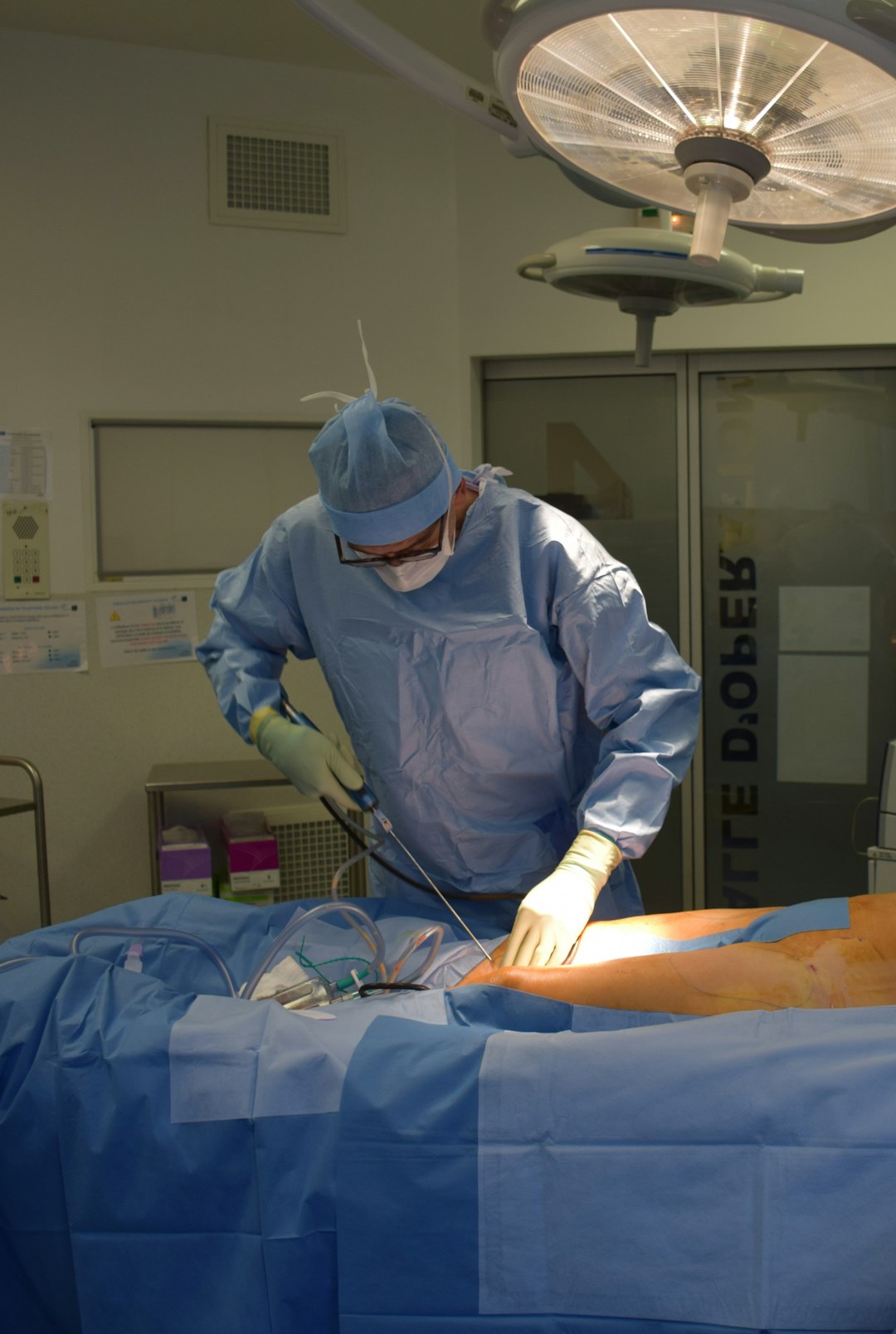
Liposuction is a surgical procedure designed to remove localized fat deposits that do not respond to diet or exercise. During the procedure, a thin, hollow instrument called a cannula is carefully inserted beneath the skin through small incisions. This cannula is then used to break up and suction out excess fat cells from targeted areas such as the abdomen, thighs, hips, arms, or neck. The removal of these stubborn fat pockets helps to reshape and contour the body, providing a more sculpted and toned appearance. It is important to note that liposuction is not a solution for overall weight loss or obesity but rather a body contouring technique aimed at improving body proportions and enhancing the patient’s aesthetic appearance. The procedure can be combined with other cosmetic treatments to achieve optimal results. Additionally, patients should maintain a healthy lifestyle following the surgery to preserve the improved body shape.
Different Types Of Liposuction Techniques Explained

Various liposuction methods offer tailored approaches depending on patient needs and treatment goals:
- Tumescent Liposuction: Injects a solution containing saline, anesthesia, and adrenaline to reduce bleeding and ease fat removal.
- Ultrasound-Assisted Liposuction (UAL): Applies ultrasonic waves to liquefy fat before suction, facilitating easier extraction.
- Laser-Assisted Liposuction (LAL): Uses laser energy to melt fat and promote skin tightening.
- Power-Assisted Liposuction (PAL): Employs a mechanized cannula vibrating to improve precision and surgeon control.
Each technique varies in invasiveness and recovery, enabling customization for optimal results.
Ideal Candidates For Liposuction Procedures
Candidates best suited for liposuction generally:
- Are in good health without chronic uncontrolled illnesses
- Have stable body weight close to their ideal
- Possess firm skin with good elasticity
- Maintain realistic expectations regarding outcomes
- Are non-smokers or willing to abstain during the perioperative period
- Exhibit psychological preparedness for surgery and healing
- Are free from severe obesity or inflammatory conditions
- Commit to adhering to postoperative care instructions
Choosing appropriate candidates helps achieve safer procedures and satisfactory aesthetic improvements.
Common Body Areas Treated With Liposuction
Liposuction effectively targets fat deposits in areas commonly resistant to exercise:
- Abdomen: Reduces lower and upper belly fat
- Thighs: Smooths inner and outer thigh contours
- Arms: Shapes upper arms and reduces sagging fat
- Chin & Neck: Eliminates double chin and excess neck fat
- Back: Removes fat bulges along the upper and lower back
- Hips & Flanks: Enhances waistline and hip definition
- Buttocks: Refines shape and reduces volume
- Knees: Trims fat pads for slimmer legs
- Chest: Especially for male gynecomastia correction
- Calves: Contours the lower legs for a streamlined appearance
Targeting these zones contributes to balanced and harmonious body contours.
Step-By-Step Liposuction Surgery Process
The liposuction procedure generally follows these phases:
- Consultation: Evaluation of health status, skin condition, and aesthetic goals.
- Marking: Precise delineation of treatment areas on the body.
- Anesthesia: Administration of local or general anesthesia based on procedure scope.
- Incisions: Creation of small entry points for the cannula.
- Tumescent Fluid Injection: Introduction of fluid to facilitate fat loosening and reduce bleeding.
- Fat Suctioning: Careful removal of fat through the cannula.
- Monitoring: Continuous observation of patient’s vitals and comfort.
- Closure: Suturing or leaving incisions open for drainage if necessary.
- Compression Garments: Application to aid skin contraction and support healing.
This structured approach prioritizes safety and precision.
Liposuction Recovery Timeline And Tips

Recovery involves stages that promote healing and minimize discomfort:
- Initial swelling and mild pain usually last 1–2 weeks.
- Consistent use of compression garments helps reduce swelling and supports skin adaptation.
- Strenuous activities should be avoided for approximately 3–4 weeks.
- Elevating treated areas can alleviate swelling.
- Follow all medication and wound care recommendations carefully.
- Stay hydrated and consume nutrient-rich foods to enhance tissue repair.
- Attend all follow-up appointments for proper evaluation.
- Light exercises can be resumed gradually as cleared by your surgeon.
- Avoid tobacco and alcohol to optimize healing.
- Notify your surgeon immediately if you experience severe pain, excessive swelling, or other concerning symptoms.
- Gentle massages may be advised to improve circulation and reduce scar tissue formation.
Proper adherence to these guidelines supports optimal recovery and results.
Potential Risks And Complications Of Liposuction
Though generally safe, liposuction carries inherent risks such as:
- Infection at incision sites
- Bleeding or bruising in treated areas
- Fluid collections beneath the skin (seromas)
- Temporary numbness or nerve irritation
- Uneven contours or skin irregularities
- Blood clots, though rare
- Fat embolism or internal injury in very uncommon cases
- Allergic reactions to anesthesia or medications
- Anesthesia-related complications
Selecting an experienced surgeon and closely following postoperative instructions greatly reduce these risks.
How Much Fat Can Be Safely Removed During Liposuction
| Factor | Safe Fat Removal Limit | Notes |
|---|---|---|
| Patient Weight | Up to 5 liters | Varies with BMI and overall health status |
| Procedure Duration | Generally 1–4 hours | Longer surgeries may increase complication risk |
| Surgeon Skill | Essential | Experience reduces complications |
| Medical Conditions | May limit volume | Heart, lung, or other conditions require caution |
Respecting these limits ensures patient safety and better outcomes.
Vaser Liposuction Benefits And Considerations
Vaser liposuction employs ultrasound technology to selectively emulsify fat, offering advantages such as:
- Reduced tissue trauma and less bruising
- Enhanced skin tightening via collagen stimulation
- Smoother, more precise contouring
- Shortened recovery periods with improved comfort
This advanced technique requires skilled surgeons and is suited for patients seeking refined sculpting results.
Post-Liposuction Compression Garments And Their Importance
Compression garments play a vital role in postoperative care by:
- Encouraging skin to contract smoothly over new contours
- Minimizing swelling and bruising after surgery
- Preventing fluid accumulation beneath the skin
- Supporting underlying tissues during healing
- Enhancing blood flow and patient comfort
- Helping preserve the surgical outcome
- Accelerating overall recovery
Consistent wear as advised by your healthcare provider is crucial for optimal healing.
Male Liposuction: What Men Should Know Before Surgery
Men have unique considerations when opting for liposuction:
- Common areas include abdomen, chest (to address gynecomastia), and flanks
- Male fat deposits tend to be denser, requiring specialized techniques
- Improving muscle definition is often a key goal
- Postoperative swelling may be more noticeable than in females
- Compression garments are important for contour support
- Physical activity should resume gradually, typically after two weeks
- Skin elasticity affects final results and varies individually
- Preoperative consultations address expectations, risks, and lifestyle changes
- Experienced surgeons tailor approaches to male anatomy
- Careful postoperative monitoring enhances safety and comfort
Awareness of these factors helps men achieve effective and safe outcomes.
Cost Factors And Pricing Overview Of Liposuction Procedures
| Cost Factor | Description | Typical Range (USD) |
|---|---|---|
| Surgeon’s Fee | Depends on expertise and reputation | 2,000 – 6,000 |
| Facility Charges | Operating room, anesthesia, and equipment fees | 1,500 – 3,500 |
| Geographic Location | Prices vary by city and region | Variable |
| Procedure Complexity | Number of treated areas and technique choice | 1,000 – 4,000+ |
Understanding these components helps in budgeting and discussing options with your surgeon.
Frequently Asked Questions (FAQ)
What is liposuction, and who is an ideal candidate for this procedure?
Liposuction removes stubborn localized fat to improve body shape. Ideal candidates are healthy adults with firm skin, stable weight, and realistic expectations.
How is the liposuction procedure performed, and what types are available?
A cannula is inserted under anesthesia to suction fat. Techniques include tumescent, ultrasound-assisted, laser-assisted, and power-assisted liposuction.
What should I expect during the recovery period after liposuction?
Swelling and bruising may last 1-2 weeks. Compression garments help with healing and contouring. Light activities can usually resume within days, with full exercise after 3-4 weeks.
Are there any risks or complications associated with liposuction?
Risks include infection, contour irregularities, and fluid buildup. Choosing a qualified surgeon and following care instructions minimize these risks.
How long do the results of liposuction last, and what can affect them?
Results are durable if weight is maintained. Significant weight gain or lifestyle changes can alter outcomes.
For more information on cosmetic surgery standards, visit the American Society of Plastic Surgeons or explore related Mayo Clinic resources.
With clear understanding and professional care, liposuction can effectively help you achieve your body contouring goals safely.