Table of Contents
- Introduction
- The Role of Porcelain in Modern Dentistry
- Differences Between Porcelain and Ceramic Dental Materials
- How Porcelain Enhances Dental Aesthetics
- The Manufacturing Process of Porcelain Teeth
- Advantages of Porcelain Crowns Over Other Materials
- Maintenance Tips for Porcelain Dental Work
- Frequently Asked Questions
Introduction
Many individuals feel insecure about their smiles due to issues such as discoloration, chips, or missing teeth. These concerns can affect confidence in everyday interactions, including speaking and smiling. Thankfully, dental restorations crafted from high-quality materials provide an effective solution to restore both function and appearance.
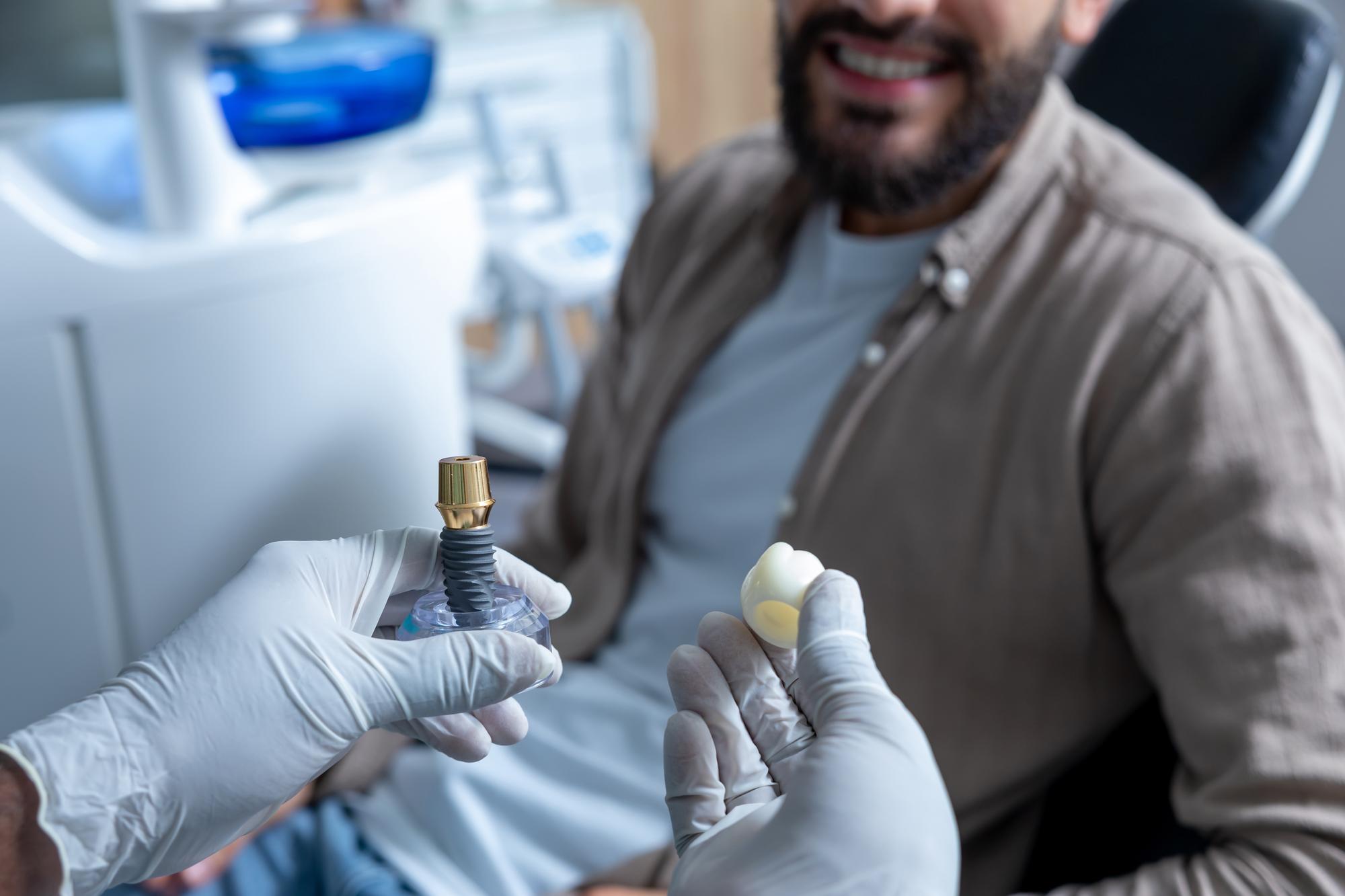
Materials like crowns and veneers are favored in dentistry because they replicate the natural look of teeth while offering strong support. Whether covering damaged teeth or working with implants to replace missing ones, these restorations are designed for durability and a natural finish.
This article explores the functioning, benefits, and maintenance of these dental solutions to help you make informed choices about your oral health. With appropriate care, these restorations can maintain a beautiful, functional smile over many years.
The Role of Porcelain in Modern Dentistry
Porcelain is essential in contemporary dental restorations, offering a blend of strength and visual appeal. Its applications include:
- Protective crowns that shield compromised teeth
- Veneers that improve smile aesthetics
- Integration with implants for a natural appearance
- Imitation of natural tooth translucency and shade
- Resistance to staining and wear over time
- Support for durable restorations
- Enhancement of overall dental appearance
- Compatibility with oral tissues to minimize irritation
These features make porcelain a top choice for combining function with beauty in dental treatments.
Differences Between Porcelain and Ceramic Dental Materials
While porcelain is a subset of ceramic materials, notable differences influence their use in dentistry. Understanding these distinctions aids in selecting the proper restorative option:
- Porcelain exhibits a glass-like, translucent quality.
- Ceramic refers to a wider group, varying in opacity and composition.
- Porcelain generally offers superior strength and stain resistance.
- Ceramic materials may be less costly but can lack durability.
- Fabrication of porcelain requires precise techniques.
- Ceramic allows more adaptability in design shapes.
- Both are biocompatible and safe for oral applications.
- Selection depends on the restoration’s location, function, and aesthetic needs.
These factors help tailor restorative choices to achieve lasting, natural results.
How Porcelain Enhances Dental Aesthetics

Restorations made from this material closely mimic natural teeth by replicating their color depth and translucency, ensuring a harmonious appearance with adjacent teeth. Its ability to reflect light contributes to a realistic shine that enhances the smile’s appeal. Additionally, the material resists discoloration, maintaining brightness over time. Its compatibility with gum tissue promotes oral health alongside improved aesthetics, making it a favored option for enhancing smile confidence.
The Manufacturing Process of Porcelain Teeth
Creating these dental restorations involves a detailed process combining advanced technology and skilled craftsmanship. Initially, dental impressions or digital scans accurately capture the patient’s oral structure. Using CAD/CAM technology or manual methods, technicians design and fabricate crowns, veneers, or other restorations with precision. The final stages include firing at high temperatures and glazing, which strengthen the pieces and provide a natural luster. These restorations are then fitted onto implants or existing teeth, ensuring both aesthetic integration and functional durability.
| Step | Description | Purpose |
|---|---|---|
| Impression/Scan | Capture dental structure digitally | Accurate fit |
| Design | CAD/CAM or manual wax-up | Customized shape |
| Fabrication | Molding or milling porcelain | Create restoration |
| Firing & Glazing | Heat treatment and finishing | Strength and natural shine |
Advantages of Porcelain Crowns Over Other Materials
| Feature | Porcelain Crowns | Metal Crowns | Resin Crowns |
|---|---|---|---|
| Strength | Durable and wear-resistant | Extremely strong and long-lasting | Less durable, wears faster |
| Appearance | Natural tooth-like color and translucency | Metallic and less aesthetic | Limited shades, less natural |
| Biocompatibility | Highly compatible with tissues | Possible allergic responses | Moderate compatibility |
| Stain Resistance | Very high | Good but visually noticeable | Susceptible to stains |
Maintenance Tips for Porcelain Dental Work

To preserve the appearance and function of these restorations, careful daily care is essential. Following these recommendations can extend their lifespan and keep your smile healthy:
- Brush gently twice a day using soft bristles
- Choose non-abrasive toothpaste formulations
- Floss meticulously to prevent damage
- Avoid chewing on hard objects
- Limit consumption of staining foods and beverages
- Attend regular dental appointments for check-ups
- Use a night guard if you grind your teeth
- Rinse with alcohol-free mouthwash to protect surfaces
- Refrain from smoking to prevent discoloration
- Report any chips or discomfort to your dentist promptly
Consistent attention ensures your dental work remains attractive and functional over time.
Frequently Asked Questions
What are the main benefits of choosing porcelain teeth for dental restorations?
They provide excellent color matching and translucency, closely resembling natural teeth. Their resistance to stains helps maintain a bright smile, and their biocompatibility reduces the risk of irritation, ensuring comfort.
How durable are porcelain crowns compared to other dental materials?
Porcelain crowns are designed to endure daily chewing forces effectively. When supported by metal or zirconia substructures, their strength is enhanced. Proper care can help them last 10 to 15 years or longer.
Can porcelain veneers be used alongside dental implants?
Yes, veneers can complement implants by improving the appearance of natural teeth while implants replace missing ones. This combination creates a harmonious and natural smile tailored to individual dental needs.
With professional care and maintenance, restorations made from this material can provide a lasting, attractive smile for many years.